
Cadmium in Cacao Powder: What Australian Food Manufacturers Need to Know
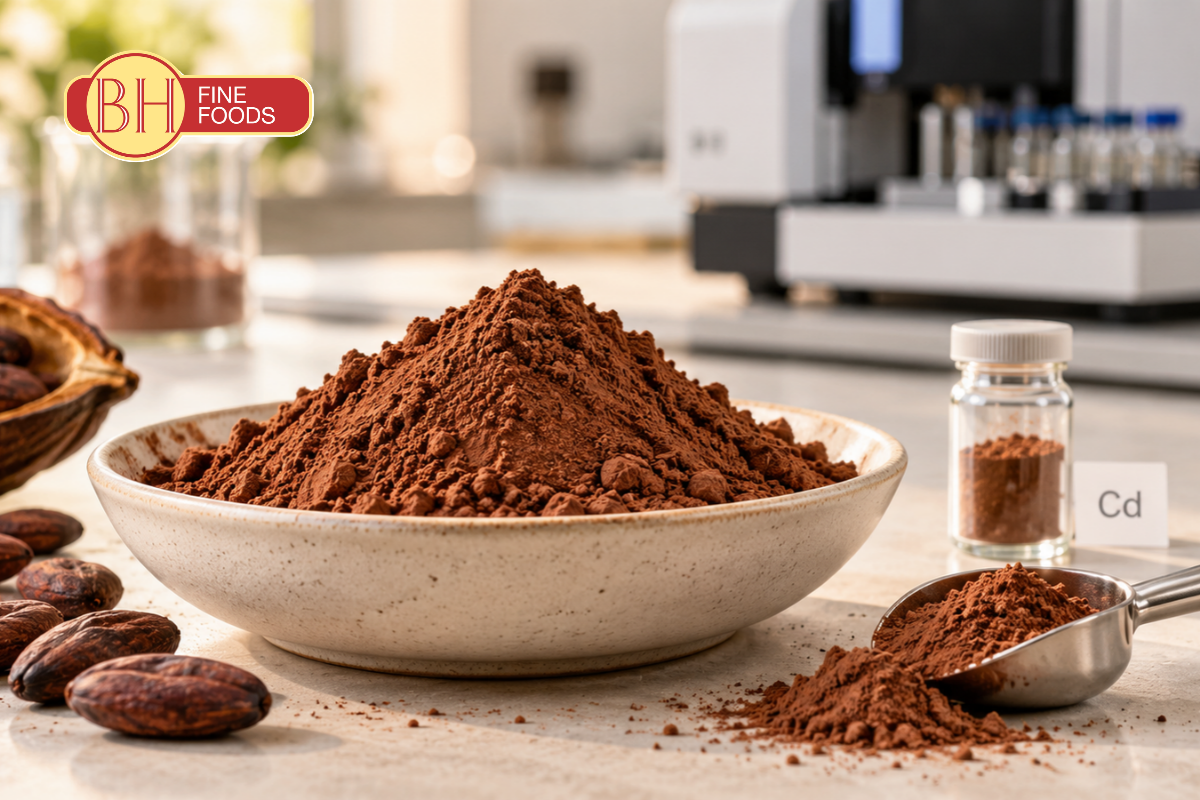
For food manufacturers, choosing cacao powder involves more than flavour, colour and fat content. Ingredient specifications and contaminant testing also matter, particularly when products are intended for different markets.
Cadmium is a naturally occurring element found in soil. Cacao plants can absorb it, and the amount in cacao beans can vary with growing conditions and origin. Testing the ingredient is therefore more reliable than relying on origin alone.
What is the Australian cadmium limit for cacao powder?
Schedule 19 of the Australia New Zealand Food Standards Code sets a maximum level of 0.5 mg/kg (0.5 parts per million) for cadmium in the food category “chocolate and cocoa products”. The current Schedule 19 table includes that category and limit.
Cacao powder is commonly treated as a cocoa product, but food classification can depend on the product and how it is presented or used. Manufacturers should confirm that the relevant product falls within the Code category and check any applicable requirements for their finished food and export markets.
The Code is the authoritative source for Australian requirements. Refer to Schedule 19, section S19—3, “Maximum levels of metal contaminants”, for the current table.
Why batch-specific testing matters
Cadmium levels can vary between cacao batches. A test result from one shipment does not necessarily represent another batch, even when the product comes from the same supplier or region.
When assessing a cacao powder supplier, manufacturers can ask for:
· A batch-specific Certificate of Analysis (COA)
· The test method and laboratory details
· The result and units of measurement
· Confirmation of which product or batch the result covers
This information helps your technical or quality team assess the ingredient against the requirements for your finished product and target market.
Choosing wholesale cacao powder for production
The right cacao powder depends on your formulation, production process and finished product requirements. Alongside contaminant results, buyers may need to assess fat content, pH, flavour, colour, certification and batch consistency.
BH Fine Foods supplies cacao powder for commercial food production. Contact our team to discuss specifications, certification and available documentation for your requirements.
Explore our wholesale cacao powder in Australia: https://www.bhfinefoods.com.au/wholesale-cacao
Contact BH Fine Foods: https://www.bhfinefoods.com.au/contact